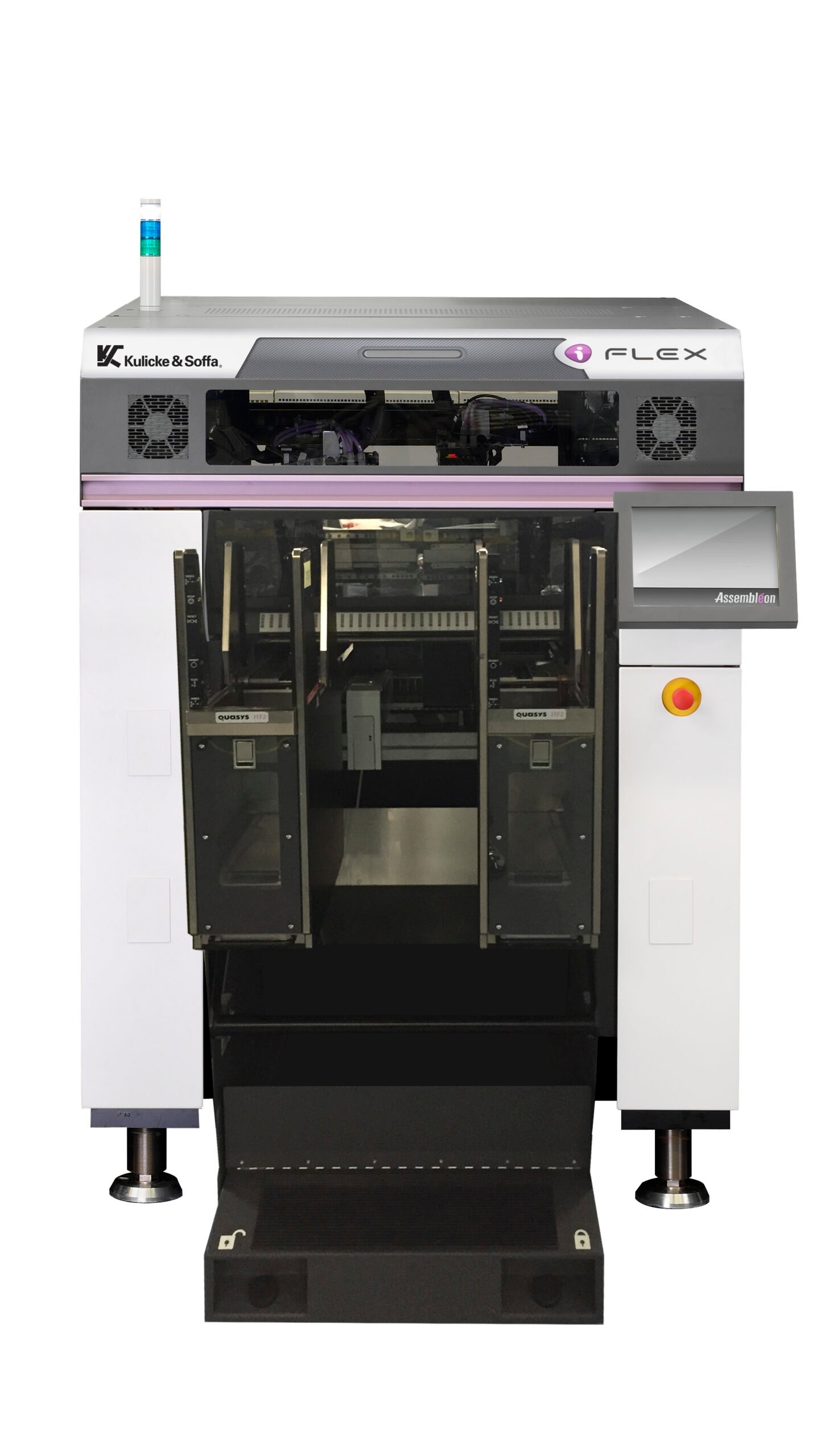
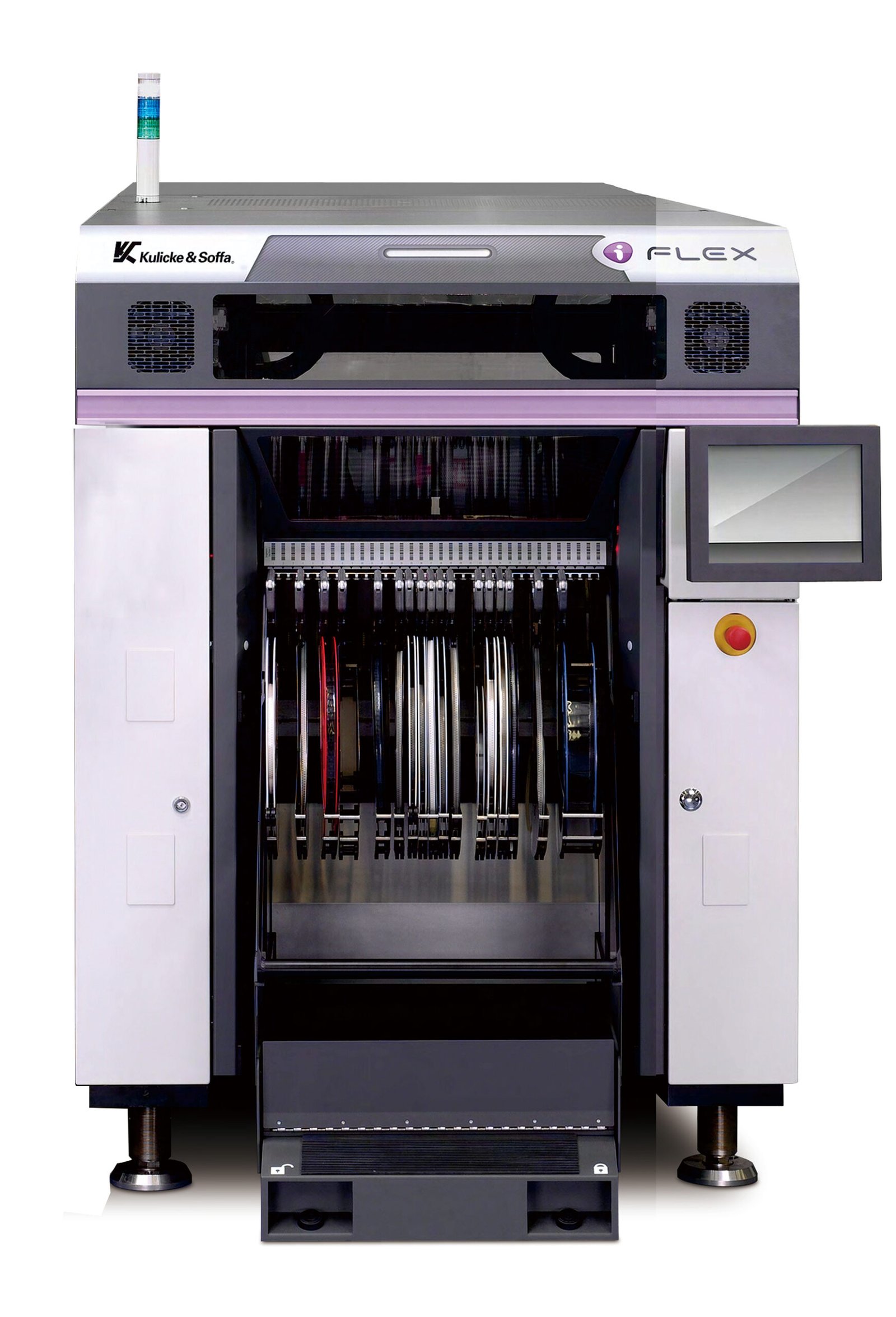
Outstanding Products Make You Stand Out
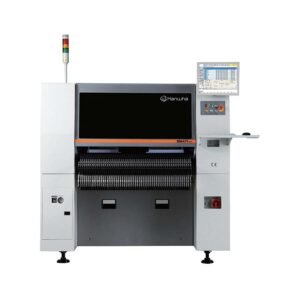
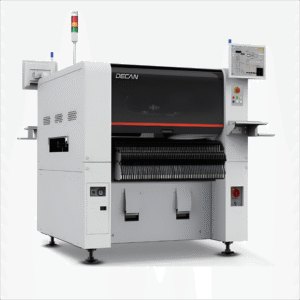
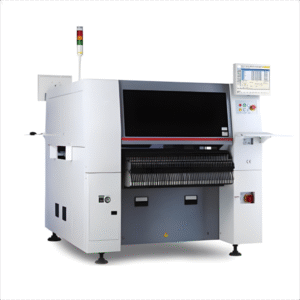
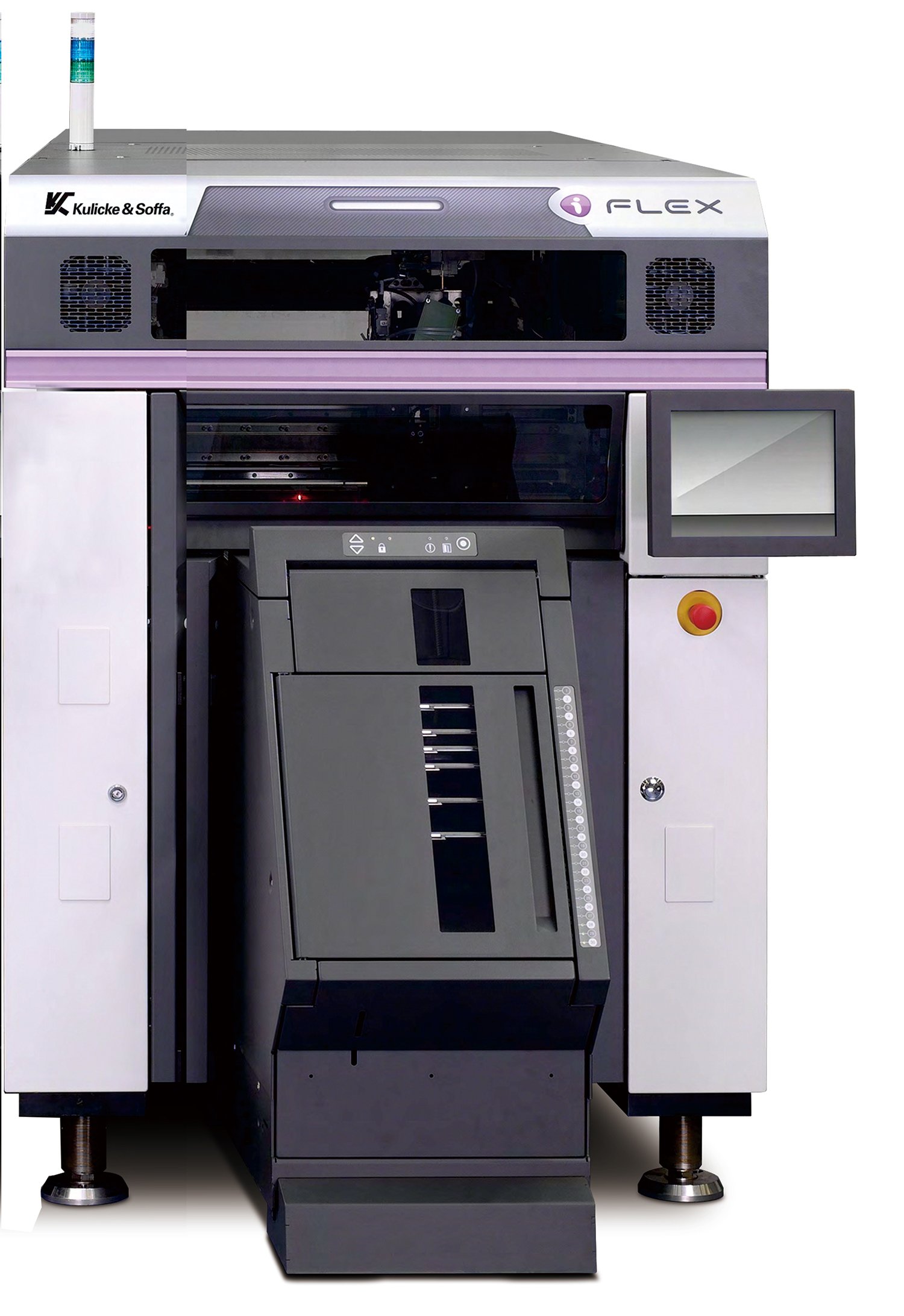
Each SMT pick and place machine is guaranteed to boost your PCB assembly business thanks to the number of qualities listed below.
- ⚡Precise Placement: The accuracy of our SMT pick and place machines can achieve a level of precision that surpasses any human pick and place handling.
- 🔥High Flexibility: All SMT pick and place machines are easy to program for various PCB boards with different dimensions, production requirements, and specifications.
- 🧱Ease of Use: With the user-friendly aspect of our SMT pick and place machines, they can be incorporated into your production floor with the minimum training requirement.
- 🧩Low Maintenance: The cutting-edge technology of our SMT pick and place machines requires minimal maintenance, helping you reduce cost while increasing productivity.
🔶 Philips T4 / T2 / H1 Multi-Function SMT Mounter Key Feature
| Key Feature | Description |
|---|---|
| High-Precision Placement | Philips T4, T2, and H1 SMT machines use advanced vision alignment systems to ensure high placement accuracy. Positioning accuracy is typically ±25 μm or higher, suitable for ultra-small electronic components (such as 0201, 0402 packages) and complex assemblies. |
| Versatility | Wide adaptability: T4, T2, H1 series support a wide range of package types, including SMD, BGA, CSP, QFP, and more. Flexible configuration: Supports PCBs of different sizes, shapes, and thicknesses. Machines can handle both large and small boards to meet diverse production requirements. |
| High Efficiency and Productivity | The T4, T2, and H1 series offer high placement speed and throughput, with T4 achieving up to 60,000 components per hour. High-speed and precise placement significantly improves production efficiency, suitable for large-scale manufacturing. |
| High Degree of Automation | Supports automatic material loading, automatic alignment, and automatic calibration, reducing manual intervention and enhancing production line automation. Integrates with MES (Manufacturing Execution System) and other production management systems for smart production collaboration. |
| Intelligent Control System | Equipped with advanced operation interface and intelligent control system, providing real-time data feedback and monitoring for easy maintenance and production management. Touchscreen and graphical interface make operation intuitive, and fault diagnostics are efficient. |
| Energy Efficiency and Environmental Friendliness | Designed with energy-saving technologies to reduce operational costs. Equipment meets environmental standards and supports green manufacturing. |
🔶 Philips T4 / T2 / H1 Multi-Function SMT Mounter Specifications
| Feature | Description |
|---|---|
| Maximum Placement Speed | T4: 60,000 CPH (components per hour) T2 / H1: Depending on the model, maximum placement speed may vary, typically up to 50,000 CPH |
| Placement Accuracy | Typically ±25 μm (3σ), suitable for ultra-small component placement. |
| Supported Component Sizes | Supports placement from 0201 and 0402 packages to large components, including BGA, QFP, etc. |
| PCB Size Range | Supports large-size PCBs (e.g., L 510mm × W 460mm), adjustable according to configuration. |
| ⚡ Power Requirements | Typically AC 200V or 220V, 50/60 Hz. |
| Automation Features | Automatic material loading, automatic calibration, automatic alignment. Supports integration with SMEMA interfaces and MES systems. |
| User Interface | Touchscreen with graphical operation interface, real-time production monitoring. |